
In stock

Isfahan Rug
Size: 1.78m x 1.14m (5'10 x 5'9) £1,200.00
Isfahan Rug (1970's) Silk Warped
Add to basket
In stock

Heriz Carpet
Size: 3.45m x 2.55m (11'4 x 8'4) £3,600.00
Heriz is situated in mountainous country within an important weaving area in North West West Asia. The carpets taking the name of Heriz are woven in the villages within a 30 mile radius of the town by the same name. Many different qualities and variations on a similar design are produced. The typical Heriz carpet has a strictly rectilinear medallion design that has changed little over many decades; older rugs have madder grounds and medallions mostly of indigo, today these colours are still evident but with some additions of light blue, medium green, terracotta and warm yellows. Heriz carpets have a foundation of cotton warps and wefts, a thick and long pile of excellent wool, thus producing hard-wearing durable carpets.
Add to basket
In stock

Bidjar Carpet
Size: 3.50m x 2.46m (11'6 x 8'1) £2,100.00
Please see photos 0f slight damage to carpet.
Add to basket
In stock

In stock

In stock

In stock

Farhan Carpet
Size: 3.35m x 2.54m (10'11 x 8'4) £4,200.00
Farhan Rug https://www.rugandcarpetstudio.co.uk/shop/?post_type=product&p=81823 Construction: woven on cotton warps using hand spun vegetable dyed wool. This is a modern twist on an old design originally woven...
Add to basket
In stock

Gabbeh Runner
Size: 2.07m x 0.81m (6'9 x 2'8) £780.00
Gabbeh (from the Persian language farsi; raw, natural, uncut) represents a rough and primitive carpet with patterns mostly made by Qashghai nomads in the southwest of West Asia. They are manufactured using handspun wool, both in the pile and warp, and the yarns are dyed using plant dyes. The carpets are much thicker than other Persian carpets. The patterns of the carpet are of a simple type with only a few elements of decorative, mostly rectangular objects containing animals.
Add to basket
In stock

Qashqai Runner
Size: 2.74m x 1.04m (9'0 x 3'5) £1,190.00
The Qashqai tribes who weave these beautiful rugs are particularly well known for their use of vibrant colours, achieved through high quality, hand spun and often natural dyed yarns. The designs are well executed showing Caucasian influence, with the "chain medallions" frequently encountered, along with combs, stylised birds and animals. They are woven on a horizontal ground loom, with a foundation of ivory woollen warps and characteristically red dyed wefts, having edges over wrapped in different coloured yarns.
This runner is particularly stunning and will be bright and cheerful and extremely hardwearing addition to your home.
Add to basket
In stock
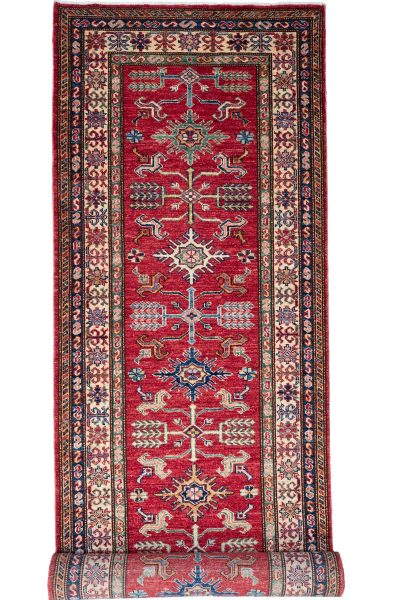
Fine Shirvan Runner
Size: 2.85m x 0.79m (9'5x 2'7) £950.00
This vibrant modern Shirvan style runner has been hand woven by Afghan tribal people in Pakistan. It is based on the traditional Caucasian designs and woven with good quality wool yarns, using natural vegetable dyes. It is woven on a cotton foundation and will add a wonderful splash of colour in any hallway or corridor. Each of our handmade rugs are unique pieces and this new Shirvan is a fine example of what is being woven by Afghan tribes today.
Add to basket
In stock
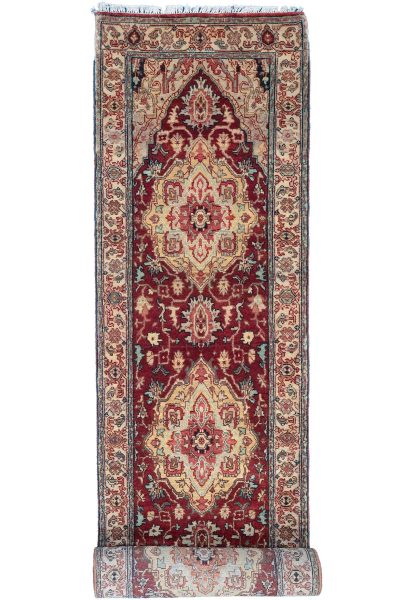
Indo Heriz Rug
Size: 2.82m x 0.72m (9'3 x 2'4) £790.00
Heriz Rug Heriz is situated in mountainous country within an important weaving area in North West West Asia. The carpets taking the name of Heriz...
Add to basket
In stock

Old Gabbeh Rug
Size: 1.86m x 1.20m (6'1 x 3'11) £845.00
Gabbeh (from the Persian language farsi; raw, natural, uncut) represents a rough and primitive carpet with patterns mostly made by Qashghai nomads in the southwest of West Asia. They are manufactured using handspun wool, both in the pile and warp, and the yarns are dyed using plant dyes. The carpets are much thicker than other Persian carpets. The patterns of the carpet are of a simple type with only a few elements of decorative, mostly rectangular objects containing animals.
Add to basket
In stock

Qashqai Rug
Size: 1.42m x 1.06m (4'8 x 3'6) £725.00
Qashqai Rug These colourful carpets and rugs are hand-woven in Fars province of south-west West Asia and are brought to market in the Capital city...
Add to basket
In stock

Qashqai Jajim
Size: 2.22m x 1.43m (7'3 x 4'8) £400.00
This stunning vintage Qashqai Jajim was made by the Qashqai nomads in West Asia they come in a variety of designs and colours, but they all have one thing in common, no matter where are used, they give a fantastic decorative look to any interior. This handmade Qashqai Jajim is one of those wonderful pieces. Jajims are mainly made of cotton and wool and have a different texture to the Kilims. Their main usage amongst travelling tribes is to wrap up cloths, foods and occasionally are used as a blanket in cold weather conditions. They are often used as wall hangings or throws over pieces of furniture.
Add to basket
In stock

Qashqai Jajim
Size: 1.80m x 1.25m (5'11 x 4'10) £500.00
This stunning vintage Qashqai Jajim was made by the Qashqai nomads in West Asia they come in a variety of designs and colours, but they all have one thing in common, no matter where are used, they give a fantastic decorative look to any interior. This handmade Qashqai Jajim is one of those wonderful pieces. Jajims are mainly made of cotton and wool and have a different texture to the Kilims. Their main usage amongst travelling tribes is to wrap up cloths, foods and occasionally are used as a blanket in cold weather conditions. They are often used as wall hangings or throws over pieces of furniture.
Add to basket
In stock
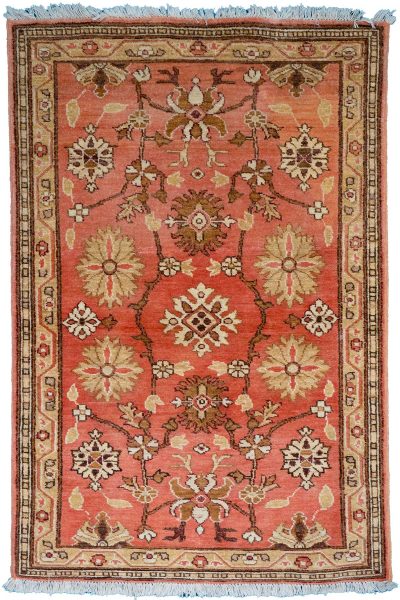
Turkish Ushak Rug
Size: 1.40m x 0.93m (4'7 x 3'1) £500.00
Ushak Rug https://www.rugandcarpetstudio.co.uk/shop/?post_type=product&p=81823 Construction: woven on cotton warps using hand spun vegetable dyed wool. This is a modern twist on an old design originally woven...
Add to basket
In stock
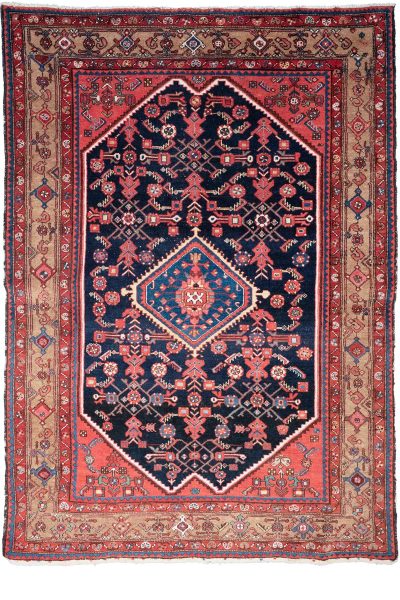
Antique Malayer Rug
Size: 1.92m x 1.36m (6'4 x 4'5) £1,600.00
Antique Malayer Rug circa 1890
Add to basket
In stock

Antique Konakend Caucasian Rug
Size: 1.21m x 0.90m (4'0 x 3'0) £500.00
Antique Konakend Caucasian Rug This vibrant Kazak has been hand woven by Afghan tribal people in Pakistan. It is based on the traditional Caucasian designs...
Add to basket
In stock

Khotan Design Rug
Size: 1.81m x 1.29m (6'0 x 4'3) £680.00
Khotan Design Rug Khotan Design Rug is a small village near to Heriz in the Azerbaijan area of Northwest West Asia, one of the most...
Add to basket
In stock
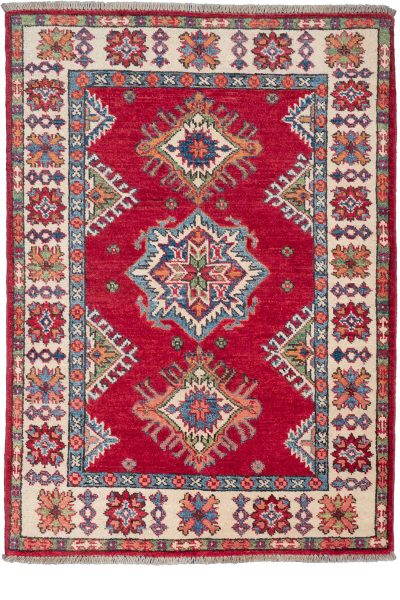
Yakash Rug
Size: 1.19m x 0.81m (3'11 x 2'8) £190.00
Yakash Rug This vibrant Kazak has been hand woven by Afghan tribal people in Pakistan. It is based on the traditional Caucasian designs and woven...
Add to basket
In stock

Khotan Design Rug
Size: 1.79m x 1.14m (5'11 x 3'9) £595.00
Khotan Design Rug Khotan Design Rug is a small village near to Heriz in the Azerbaijan area of Northwest West Asia, one of the most...
Add to basket
In stock

Gabbeh Rug
Size: 1.95m x 1.23m (6'5 x 4'0) £1,135.00
Gabbeh (from the Persian language farsi; raw, natural, uncut) represents a rough and primitive carpet with patterns mostly made by Qashghai nomads in the southwest of West Asia. They are manufactured using handspun wool, both in the pile and warp, and the yarns are dyed using plant dyes. The carpets are much thicker than other Persian carpets. The patterns of the carpet are of a simple type with only a few elements of decorative, mostly rectangular objects containing animals.
Add to basket
In stock

Qashqai Rug
Size: 1.57m x 1.12m (5'2 x 3'8) £660.00
The Qashqai tribes who weave these beautiful rugs are particularly well known for their use of vibrant colours, achieved through high quality, hand spun and often natural dyed yarns. The designs are well executed showing Caucasian influence, with the "chain medallions" frequently encountered, along with combs, stylised birds and animals. They are woven on a horizontal ground loom, with a foundation of ivory woollen warps and characteristically red dyed wefts, having edges over wrapped in different coloured yarns.
Add to basket
In stock

Gabbeh Rug
Size: 1.65m x 1.10m (5'5 x 3'7) £840.00
Gabbeh (from the Persian language farsi; raw, natural, uncut) represents a rough and primitive carpet with patterns mostly made by Qashghai nomads in the southwest of West Asia. They are manufactured using handspun wool, both in the pile and warp, and the yarns are dyed using plant dyes. The carpets are much thicker than other Persian carpets. The patterns of the carpet are of a simple type with only a few elements of decorative, mostly rectangular objects containing animals.
Add to basket
In stock

Qashqai Kelim
Size: 2.29m x 1.59m (7'6 x 5'2) £1,000.00
Qashqai Kelim is a small village near to Heriz in the Azerbaijan area of Northwest West Asia, one of the most prolific weaving areas. Qarajeh is best known for its production of runners and large carpets, but it is occasionally possible to find smaller weaving production in this area.
Carpets are woven on both workshop and cottage industry basis. Although in a village such as Qarajeh it is more typical that a lady working from home, as part of a cottage industry weaves the carpets.
Hooked hexagons or squares are a characteristic of carpets woven in this village. Other typical designs include the use of simple, angular vines, and strong central medallions. Each rug has its own unique charm and will add warmth and comfort to any home.
This particular Karajar runner is preloved but well looked after. The deep reds, forest greens, pinks and ivory are still in a very good condition and have a lovely sheen to them still.
Add to basket
In stock

Senneh Rug
Size: 1.06m x 0.75m (3'6 x 2'5) £360.00
Senneh rugs are traditionally made by Kurds in the north and west of West Asia. Senneh rugs are characterised by their lively, geometric motifs. The designs often consist of diamonds in Herati and Boteh patterns. The main colours of Sennehs are red, light red, dark red, beige, dark blue and orange. Senneh rugs go very well with wood tones and in more colourful interiors.
Add to basket
In stock

Qashqai Jajim
Size: 1.95m x 1.12m (6'4 x 3'8) £400.00
This stunning vintage Qashqai Jajim was made by the Qashqai nomads in West Asia they come in a variety of designs and colours, but they all have one thing in common, no matter where are used, they give a fantastic decorative look to any interior. This handmade Qashqai Jajim is one of those wonderful pieces. Jajims are mainly made of cotton and wool and have a different texture to the Kilims. Their main usage amongst travelling tribes is to wrap up cloths, foods and occasionally are used as a blanket in cold weather conditions. They are often used as wall hangings or throws over pieces of furniture.
Add to basket