In stock
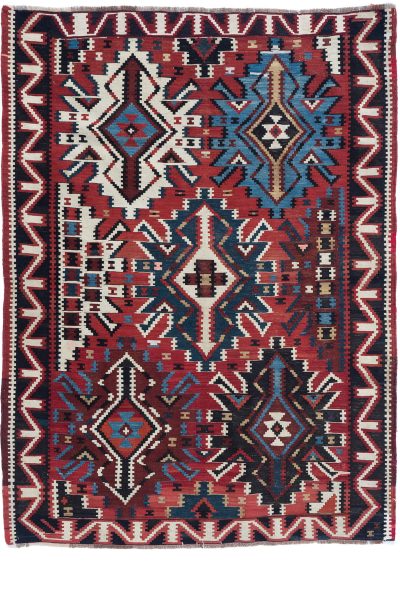
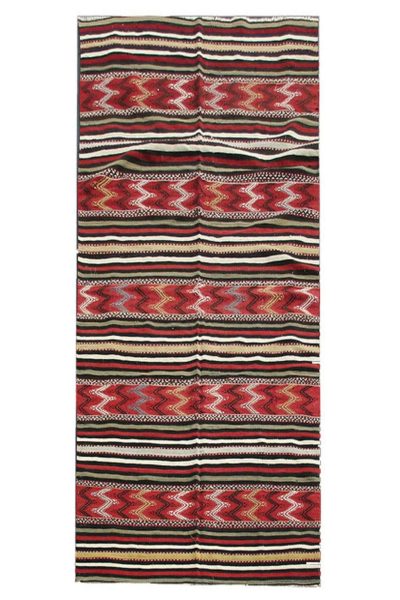
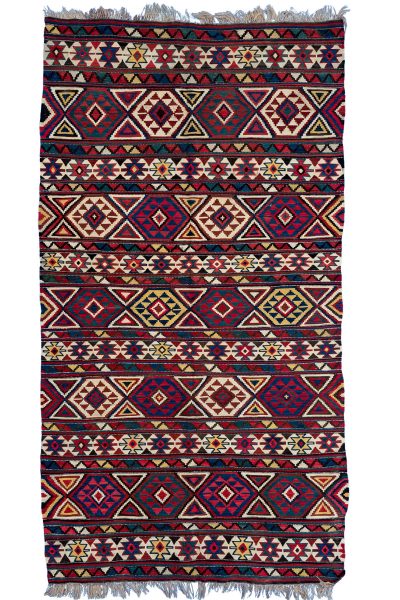
Kuba Kelim
Size: 1.93m x 1.47m (6'4 x 4'10) £1,600.00
Kuba Kelim All of our Afghan kelims have been chosen for their beautiful vibrant colours whilst being very practical in the home. They are all...
Add to basket
In stock

Turkish Kelim Rug
Size: 2.55m x 1.66m (8'4 x 5'5) £765.00
All of our Afghan kelims have been chosen for their beautiful vibrant colours whilst being very practical in the home. They are all made from 100% vegetable dyed wool and have the added benefit of being fully reversible, the beautiful coloured rugs are great for brightening up any space. The term kelim is used to describe these stunning flatweave rugs where the wool is wrapped around the warps as opposed to being knotted onto the warps. These originating in Afghanistan are woven in very traditional designs that are passed down through the generations of the weavers.
We would recommend using underlay under our Kelim rugs.
Add to basket
In stock

Qashqai Rug
Size: 1.93m x 1.15m (6'4 x 3'9) £5,000.00
This beautiful antique Qashqai rug was hand-woven in Fars province of south-west West Asia and would have been brought to market in the Capital city of Shiraz, near the ancient city of Persepolis. The Qashqa'i tribes who weave these beautiful rugs are particularly well known for their use of vibrant colours, achieved through high quality, hand spun and often natural dyed yarns. The designs are well executed showing Caucasian influence, with the "chain medallions" frequently encountered, along with combs, stylised birds and animals. They are woven on a horizontal ground loom, with a foundation of ivory woollen warps and characteristically red dyed wefts, having edges over wrapped in different coloured yarns producing an attractive barber's pole effect.
Add to basket
In stock

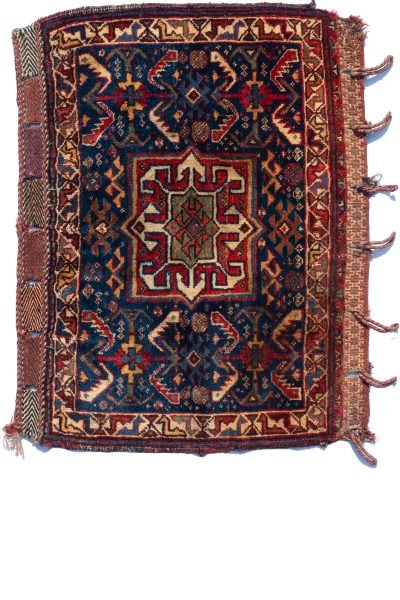
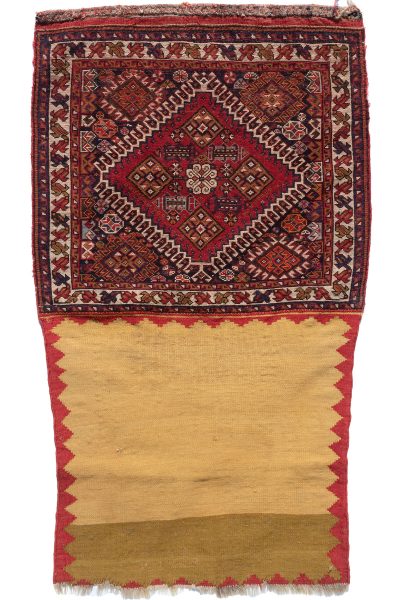
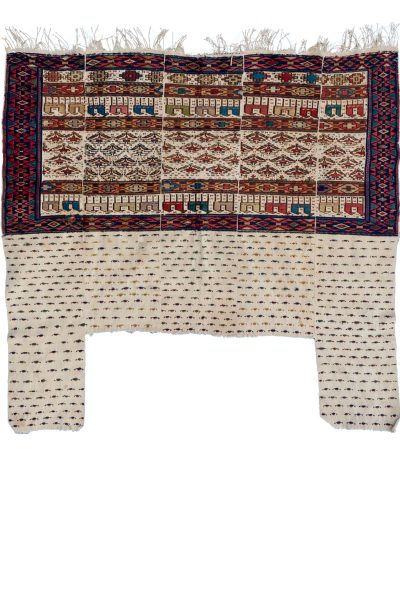
Qashqai Bag face c:1900
Size: 58cm x 69cm £400.00
Antique storage bag face from the Qashqai Nomads of Southwest West Asia
Add to basket
In stock

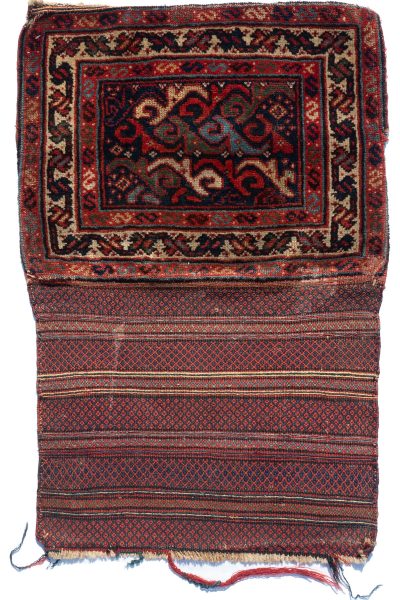
Qashqai Bagface
Size: 0.65m x 0.69m £360.00
Antique storage bag face from the Qashqai Nomads of Southwest West Asia
Add to basket
In stock

In stock

In stock
In stock
In stock
In stock

In stock
In stock

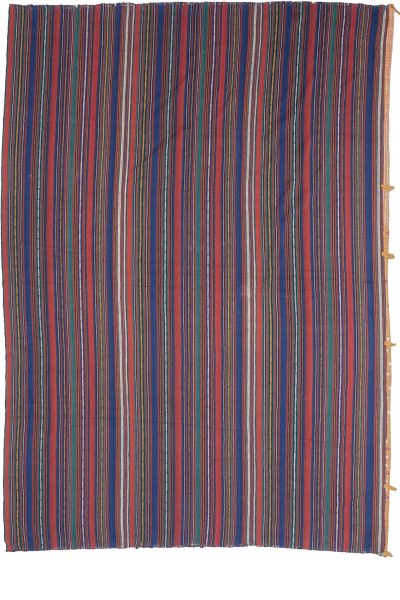
Suzanni Kelim
Size: 1.95 x 1.47m (6'5 x 4'10) £700.00
Sumak is the name of the weaving technique used to make these flat weave rugs and carpets. They don't have a pile to them, the wool is wrapped around 2 neighboring warp threads then back through the middle and over the next 2 warp threads. This wrapping technique produces a delightful chain stitch effect to the finished surface on one side and the crisp neat finish on the other. Once the rugs come off the loom they are carefully finished, therefore making the rug reversible.
The Sumak rugs are made in the thatched cottages of a village about 20 miles away from rug making town of Bhadohi in Uttar Pradesh, India.
The inspiration of the designs is far reaching and varied. From classic Persian carpets to Eastern European and Bassarabian kelims, hand embroidered suzannies and silk brocades and damask cloth.
The combination of the strong wool and cotton foundations produces a robust rug with a charming rustic finish.
Add to basket
In stock
In stock
In stock

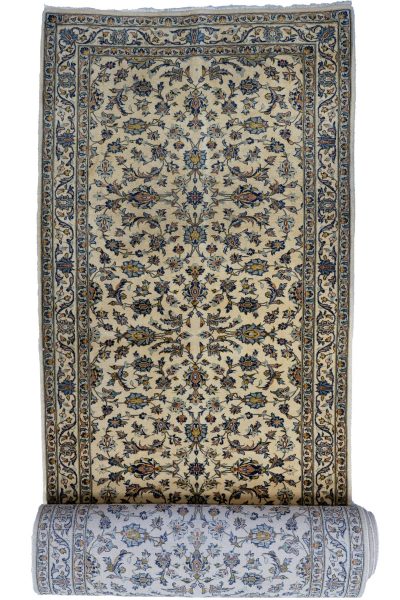
Luri Runner
Size: 2.82 x 1.50m (9'3 x 4'11) £2,200.00
Antique Luri runner made by the Luri people form South west West Asia, Circa 1910.
Wool foundation and wool pile, with a strong geometric that is traditionally from the Luri people.
Add to basket
In stock
In stock
In stock

In stock
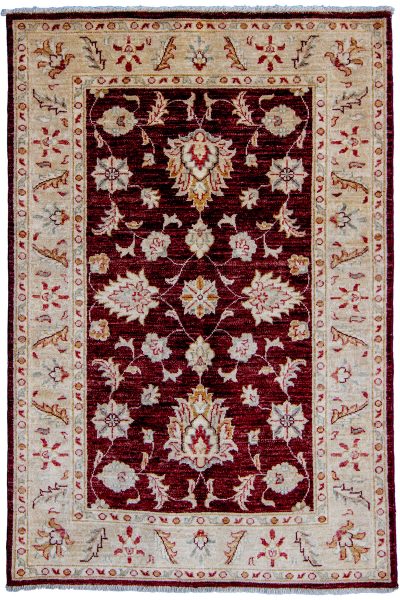
Sultanabad
Size: 1.52m x 0.97m (5'0 x 3'2) £540.00
Woven on cotton warps using hand spun vegetable dyed wool.
A very rich dark wine red mainfield with a cream border gives this stunning little rug a very warm feel which would be especially cosy on a cold winters night.
Add to basket
In stock
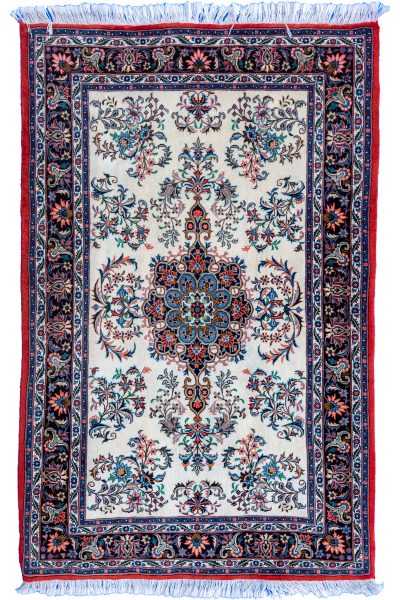
Bidjar
Size: 1.71m x 1.08m (5'7 x3'7) £1,350.00
Bidjar is the name of a small Kurdish town in western West Asia. Kurdish carpets are often very strong and compact, which makes them extremely durable. The weavers use their heavy comb, made of metal and wood, to beat the weft and the knots, so that the pile almost stands up. The surface of the pile, therefore, becomes very compact, which prevents gravel and other small particles to be pressed into the carpet. The carpets are made with Turkish knots and are generally red and blue with beige elements. The most common pattern is the Herati (also called fish pattern), but also medallions and floral motifs occur. Bidjar carpets are manufactured in most sizes. They have a sober elegance and fit in most environments.
Add to basket
In stock
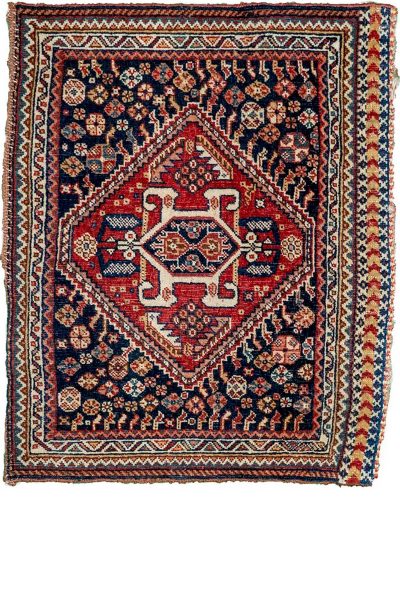
Qashqai Bag face c:1900
Size: 57cm x 70cm £400.00
These colourful carpets and rugs are hand-woven in Fars province of south-west West Asia and are brought to market in the Capital city of Shiraz, near the ancient city of Persepolis. The Qashqa’i tribes, now largely settled, who weave these beautiful rugs are particularly well known for their use of vibrant colours, achieved through high quality, hand spun and often natural dyed yarns. The designs are well executed showing Caucasian influence, with the “chain medallions” frequently encountered, along with combs, stylised birds and animals. They are woven on a horizontal ground loom, with a foundation of ivory woollen warps and characteristically red dyed wefts, having edges over wrapped in different coloured yarns producing an attractive barber’s pole effect.
Add to basket
In stock
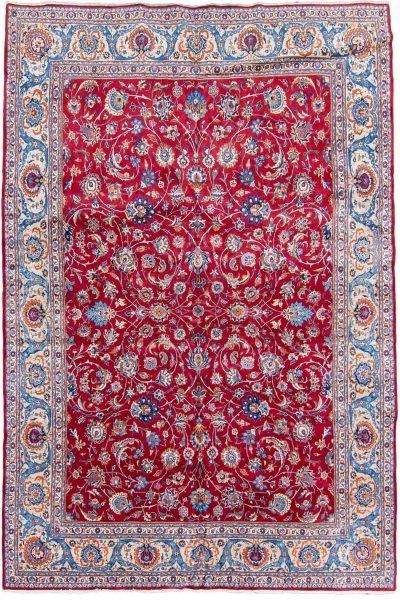
Meshed
Size: 4.34m x 2.88m (14'3 x 9'5) £3,850.00
Meshed is the largest weaving centre on north-east West Asia. The carpets of Meshed come in a variety of sizes including very large room size pieces. The main colouris predominately red with all other colours used in their designs. They often have precise drawings including small floral ornaments, although you do see medallioncarpets as well. The overall appearance is restrained and elegant.
Add to basket
In stock